Choosing Between Waterproofing Paint and Full Basement Waterproofing Systems
A damp basement rarely stays a small problem for long. What begins as a faint musty smell or a patch of peeling paint can turn into mold growth, ruined flooring, bowed wall panels, and a room no one wants to use. Homeowners usually arrive at the same fork in the road: should they try waterproofing paint, or invest in a full basement waterproofing system?
That choice is not just about cost. It is about the source of the water, the condition of the foundation, how the space is used, and how much risk the homeowner is willing to carry. I have seen painted walls stay dry for years in one house and fail within a single wet season in another. The difference was not the brand of coating. It was whether the solution matched the problem.
If you are weighing basement waterproofing paint against a more complete system, the most useful starting point is simple: paint deals with the surface, while a true waterproofing system deals with water pressure, drainage, and the route water takes around and under the house. Once that distinction is clear, the decision becomes much easier.
Why basements get wet in the first place
Basements do not leak for one universal reason. They leak because water always follows pressure, gravity, and the easiest available path. That path may be a hairline crack in a wall, a cold joint where the floor meets the wall, porous concrete block, a failed window well, a clogged footing drain, or hydrostatic pressure pushing groundwater upward beneath the slab.
The last factor matters more than most homeowners realize. Concrete is durable, but it is not naturally waterproof. It is porous. Moisture can migrate through it even without visible flowing water. If the soil around the foundation stays saturated after rain or snowmelt, the basement walls and floor begin to absorb that moisture. Under heavier conditions, actual seepage appears.
This is why a basement can feel damp even when there is no dramatic flooding event. A room does not need standing water to have a water problem. Persistent humidity, mineral staining, efflorescence, rust on appliances, warped trim, and musty air are all forms of evidence. By the time you are deciding between a coating and a system, the first task is to define what kind of water issue you are dealing with.
What waterproofing paint actually does
Waterproofing paint is often sold as a straightforward fix for basement moisture. In some narrow situations, that is fair. These coatings are designed to adhere to masonry surfaces and create a barrier that resists moisture transmission from the wall to the interior space. Some products are thicker than standard paint and include cementitious or elastomeric properties. They can help reduce minor dampness, improve appearance, and make walls easier to clean.
Where homeowners get into trouble is assuming that a coating can stop active water intrusion under pressure. It usually cannot, at least not for long. If water is pressing from the outside against the foundation wall, the coating is essentially being asked to hold back that pressure from the inside face. That is the weakest possible position for any barrier. When it fails, it tends to blister, flake, or peel, often taking chunks of old substrate with it.
I have walked into finished basements where the owners proudly painted the walls six months earlier. The room looked clean, bright, and promising. Then the spring rains came. Along the lower two feet of the walls, the paint bubbled like sunburned skin. In the corners, white powdery efflorescence pushed through. The paint had not caused the leak, but it had hidden the early signs long enough for the owner to believe the problem was solved.
That does not mean waterproofing paint is worthless. It means it is best understood as a moisture-management product, not a structural or drainage solution.
When paint can be a reasonable choice
There are basements where waterproofing paint makes sense. Usually these are spaces with mild, seasonal dampness rather than active seepage. Perhaps the walls show slight moisture darkening during humid weather, but there are no puddles, no widening cracks, and no signs that water is entering at the wall-floor joint. In an older utility basement used mainly for storage, a coating can be a practical part of an overall cleanup and maintenance plan.
Paint also has value after other corrections have already been made. If grading has been improved, gutters extended, cracks professionally repaired, and drainage conditions brought under control, a masonry coating can add a final layer of protection and improve the room’s appearance. In that role, it is not pretending to do all the work. It is supplementing solutions that address the real pathways of water.
Cost is part of the appeal. Depending on the product and whether the homeowner does the work, waterproofing paint may cost a few hundred dollars to perhaps over a thousand for a modest basement once prep materials are included. Surface preparation is critical, and this is where many jobs fail. Loose material must be removed, old coatings scraped, cracks patched where appropriate, and the wall allowed to dry to the degree the product requires. A rushed Saturday afternoon paint job over a dusty wall is not a test of the product. It is a test of wishful thinking.
Where paint falls short
The limits of waterproofing paint become obvious in certain conditions. If you have recurring seepage, standing water, wet floor edges, visible wall cracks that reopen, or leaks that appear after sustained rain, a coating is not a serious answer. It may temporarily disguise the symptoms, but it does not reduce groundwater pressure or give water somewhere else to go.
Concrete block foundations are another common trouble spot. Water can accumulate inside the hollow cores of the block, and pressure builds within the wall itself. A paint film on the interior face may look fine for a while, then fail in isolated patches or along mortar joints. In those homes, the true issue is inside the wall assembly and around the perimeter drainage conditions, not on the painted surface.
Finished basements raise the stakes. If the area contains drywall, flooring, furniture, electronics, or a bedroom, surface treatments become a much riskier gamble. I usually tell homeowners this: the more valuable the room, the less comfortable you should be betting on paint alone. Saving a few thousand dollars upfront can become very expensive when carpet, framing, and personal belongings have to be removed after one bad storm.
What a full basement waterproofing system includes
A full basement waterproofing system is not one product. It is a coordinated set of measures designed to manage water before it damages the interior. The exact design depends on the house, but most comprehensive systems focus on drainage, pressure relief, controlled collection, and safe discharge.
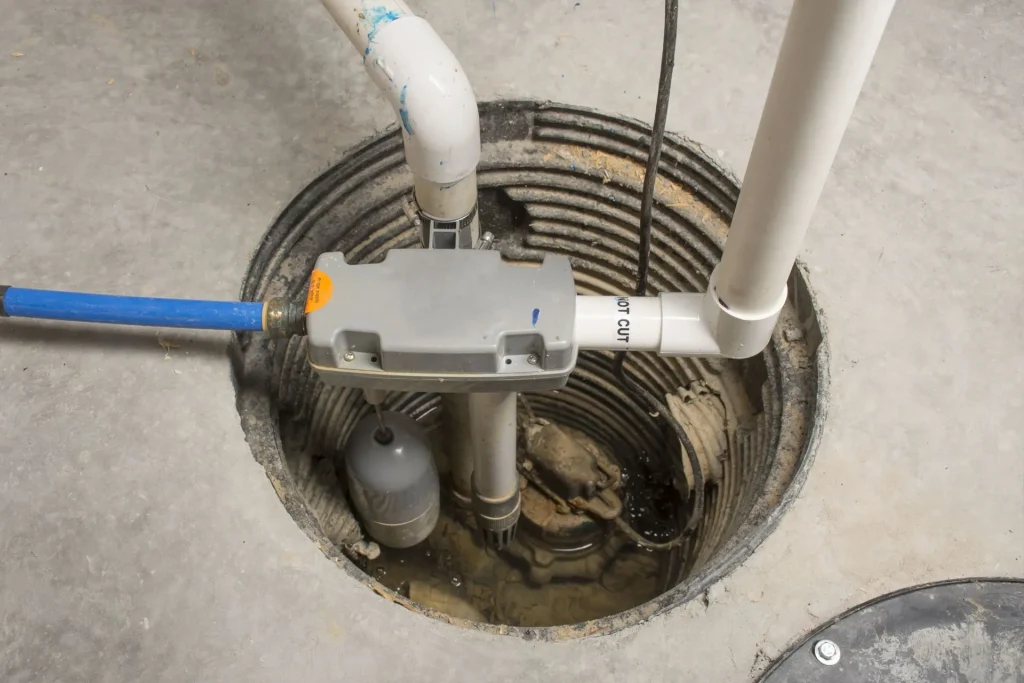
Inside systems often include a perimeter drain channel installed along the basement edge, leading to a sump pit with a pump that removes collected water. Wall moisture may be directed down into that drainage path rather than allowed to enter the living area. Exterior systems can involve excavation, foundation membrane application, footing drain replacement, and improvements to grading. Crack injection, window well drains, https://charlieqiic243.wordcanopy.com/posts/how-basement-waterproofing-prevents-musty-odors-in-the-home vapor barriers, and dehumidification may also be part of the picture.
The best contractors do not sell these pieces as if they are interchangeable accessories. They diagnose the path water takes and build a system around that path. A house with a high water table behaves differently from one with surface runoff problems. A poured concrete foundation behaves differently from an aging block wall. A basement that only gets damp during snowmelt needs a different level of intervention than one that leaks after every hard rain.
That diagnostic mindset is the real value of professional basement waterproofing. The equipment matters, but the judgment matters more.
The cost question, and why it is often framed too narrowly
Most homeowners compare paint and full systems through the lens of initial price, which is understandable. Waterproofing paint is inexpensive relative to drainage work. A professionally installed interior basement waterproofing system can run several thousand dollars, and larger or more complex projects can climb well beyond that. Exterior excavation and waterproofing can be significantly more.
Still, upfront cost is only one column in the ledger. The more useful comparison is total cost over time. If paint has to be redone, if belongings are damaged, if mold remediation becomes necessary, or if a finished basement needs partial demolition, the supposedly cheaper option may end up costing more. I have seen homeowners spend money three times: first on paint, then on repeated patch repairs, then on the system they needed from the start.
That said, full systems are not automatically justified in every basement. A lightly damp stone or concrete utility basement in an old house may not warrant a major installation if the owner simply wants cleaner walls and better humidity control. The right answer should match the function of the space and the severity of the problem, not a blanket rule.
A practical way to judge your situation
Before choosing either route, look for the pattern. Timing, location, and severity tell you far more than the stain itself. Water that appears only after wind-driven rain near a basement window points you in one direction. Moisture concentrated at the cove joint, where wall meets floor, points in another. Dampness across large wall areas with white mineral deposits suggests ongoing migration through masonry. Puddles near one corner may indicate exterior grading or a downspout issue.
Here are the signs that push the decision away from paint and toward a real basement waterproofing system:
- standing water or recurring puddles
- seepage at the wall-floor joint
- widening cracks or repeated crack leaks
- moldy odors that return after cleaning
- a finished or partly finished basement with valuable contents
If several of those are present, surface coatings are usually the wrong place to put your money.
Exterior water management often decides the outcome
One of the biggest mistakes in Basement Waterproofing is focusing entirely on the interior surface and ignoring what is happening outside. Many wet basements improve dramatically when roof runoff is extended farther from the house, low spots near the foundation are regraded, and saturated planting beds are corrected. I have seen basements stop leaking after nothing more glamorous than longer downspout extensions, soil build-up against the wall, and a repaired splash block arrangement. That kind of fix is not exciting, but it can be effective when runoff is the real culprit.
On the other hand, exterior maintenance has limits. If groundwater pressure is high, or if footing drains have failed, grading alone may not be enough. This is why any responsible evaluation should include both the inside symptoms and the outside conditions. A damp basement is often the product of several small failures rather than one dramatic defect.
The homes that are hardest to solve are usually the ones that received piecemeal fixes over many years. A little caulk here, some sealant there, a patch on a crack, a coat of paint, then perhaps a dehumidifier running nonstop. By the time a contractor arrives, the basement has a history. Understanding that history often reveals whether you are dealing with nuisance moisture or a system-wide drainage issue.
The hidden risk of delaying a proper fix
Water problems do not always escalate quickly, which is why people put them off. A basement may leak only twice a year. Paint seems to hold. The room smells a bit earthy, but nothing feels urgent. Then humidity feeds mold behind stored boxes or inside finished wall cavities. Wood studs wick moisture. Metal rusts. Insulation loses performance. What looked cosmetic starts to become a health and property issue.
That is especially important if anyone in the household has allergies or respiratory sensitivities. You do not need visible black patches for basement moisture to affect indoor air quality. Chronic dampness is enough.
There is also the resale factor. Buyers may tolerate an unfinished basement with honest, documented repairs. They are less forgiving when they suspect a cosmetic cover-up. Freshly painted foundation walls can look good, but they can also make inspectors and experienced buyers cautious if the rest of the moisture evidence has not truly been addressed.
What I would tell a homeowner room by room
The decision becomes clearer when you consider how the basement is used. If it is a rough mechanical space with a concrete floor, no finished walls, and only occasional light dampness, paint may be acceptable if you pair it with better exterior drainage and dehumidification. You are managing nuisance moisture, not defending a living area.
If the basement is a workshop, gym, office, playroom, or guest suite, the tolerance for failure drops sharply. Once you add flooring, drywall, trim, or furniture, the cost of being wrong rises. In those spaces, I lean strongly toward a proper basement waterproofing approach when there is any history of seepage. A room you intend to occupy should not depend on a coating to win a battle against water pressure.
If the basement has already flooded, even once, I generally consider paint alone off the table. Past flooding is evidence, not an opinion. Water found a path before, and there is every reason to assume it can do so again unless the path is changed.
Questions worth asking before you hire anyone
Whether you are shopping for paint or a full waterproofing proposal, clarity matters. A contractor or retailer should be able to explain what problem the product is solving and what problem it is not solving. Vague promises are a warning sign.
Ask these questions before deciding:
- Where is the water actually entering or accumulating?
- Is this moisture vapor, seepage, runoff, or groundwater pressure?
- What preparation or repairs are required before any coating is applied?
- If recommending a system, what components are necessary and why?
- What maintenance will the solution require over time?
Good answers tend to be specific. Poor answers tend to lean on slogans.
The strongest rule of thumb
If you remember one thing, make it this: use waterproofing paint when the issue is minor moisture migration and the consequences of failure are low. Use a full basement waterproofing system when water is entering, pressure is building, or the space matters too much to gamble on a surface fix.
That distinction saves people from both extremes. It keeps them from overspending on a simple humidity problem, and it keeps them from underspending on a serious water issue that will come back stronger. Basement Waterproofing works best when the solution fits the behavior of the water, not just the appearance of the wall.
A bright coat of masonry paint can make an old basement feel cleaner and more controlled. Sometimes that is enough. But when the foundation is telling you a bigger story through stains, seepage, and recurring dampness, it pays to listen early. Water usually wins when you argue with it at the surface. It loses more often when you control where it goes.
ARD Waterproofing
98 Smull Ave, West Caldwell, NJ 07006, United States
+1 917-691-8411
FAQ About Basement Waterproofing
Can you 100% Waterproof a Basement in West Caldwell?
A properly designed system can substantially reduce basement water intrusion, but no method can promise protection against every flood, equipment failure, or future change in site conditions. The first step is identifying whether moisture comes from surface runoff, groundwater, plumbing, or condensation. Solutions may include grading and gutter improvements, drainage, foundation repairs, and a sump system. Review the specific coverage and exclusions of any written warranty.
How much does it cost to professionally waterproof a basement in NJ?
There is no single price that fits every basement. Cost depends on the cause of the leak, the area needing work, access, excavation requirements, drainage design, sump equipment, and restoration of disturbed finishes or landscaping. Request an on-site assessment and an itemized written estimate that explains the scope, exclusions, and maintenance requirements before comparing proposals.
How long does foundation waterproofing last in West Caldwell, NJ?
Service life varies with the waterproofing materials, installation quality, soil and water conditions, and maintenance. Drainage components and pumps may require servicing or replacement even when other parts of the system remain functional. Keep gutters, drainage outlets, and sump equipment maintained, and have recurring leaks or changes in foundation condition assessed. Ask for product-specific expectations and written warranty terms rather than relying on one lifespan for the entire system.